Transition Font: A Handwritten Typeface for Authentic Branding
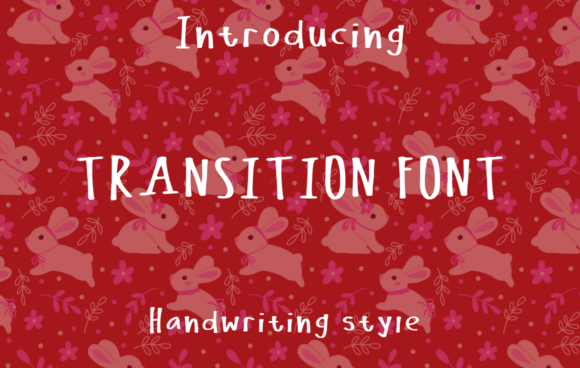
Choosing a font for your small business is a surprisingly strategic decision. The typeface you select communicates your brand's personality before a customer reads a single word. For entrepreneurs seeking a blend of creative flair and professional clarity, the Transition font is a compelling option. As a versatile hand-drawn typeface, it embodies a distinctive "Handwriting style" that feels personal yet polished.
Transition for Distinctive Logo and Identity Design
Script Handwritten fonts like Transition are ideal for creating logos that feel uniquely yours. Its handcrafted character adds an authentic, human touch to your business name, instantly setting you apart from competitors using generic fonts. The slightly elongated letterforms provide a natural elegance, perfect for boutique retailers, creative studios, or artisan food brands. A logo crafted with Transition doesn’t just state your name; it tells a story of craftsmanship and attention to detail, fostering immediate trust and recognition.
Using Transition Font on Packaging and Product Labels
The tactile nature of packaging is where a Transition font truly shines. When a customer holds your product, the typeface on the label contributes directly to the perceived quality. For handmade candles, specialty coffee bags, or beauty products, the handwritten style conveys care and originality. The high legibility built into the design ensures your product details—like ingredients or instructions—remain clear and readable even on small labels. This balance makes Transition a practical choice for fonts that need to be both beautiful and functional.
Building Consistent Marketing Materials with Transition
Brand consistency builds customer trust. Using the same Transition font across your business cards, thank-you notes, and flyers creates a cohesive visual language. Imagine a café: the Transition font on the menu carries the same warm, inviting feeling as the font on the chalkboard sign outside and the Instagram post announcing a new pastry. This repetition makes your brand memorable. Customers start to associate that specific handwritten style with your business, turning a simple font into a recognizable brand asset.
Transition for Engaging Social Media and Website Graphics
In the digital space, a unique font can capture attention in a crowded feed. The Transition font, with its creative flair, is excellent for key headlines in your website banners, Pinterest graphics, or Instagram story text. It adds a bespoke feel to your digital presence, suggesting that behind the screen is a real person, not a faceless corporation. For service-based businesses like coaches or consultants, using Transition for quotes or core value statements on your website can make your message feel more personal and relatable.
It’s important to consider readability on mobile screens. The carefully designed legibility of Transition means it performs well even in smaller sizes for supporting text, but its true strength is as a display font. Use it for primary headlines or accent text, and pair it with a clean, readable sans-serif font for body paragraphs and longer descriptions. This pairing creates a dynamic and professional hierarchy in your web design and social media content.
Practical Applications for Different Business Niches
Let’s translate this into concrete examples. A home bakery might use Transition for its logo stamped on cookie boxes, the headings on its cupcake menu, and the celebratory text on a birthday cake order form. A freelance photographer could use it for the signature on their website, the titles in their client galleries, and the headers in their pricing guide. In each case, the font ties diverse materials together under a single, authentic aesthetic. The versatility mentioned in the product description means this one font can adapt to paper, packaging, and pixels.
Testing and Implementing Transition in Your Brand System
Before fully committing, test the Transition font in real scenarios. Create a mock business card, a label draft, and a social media post template. See how it feels and reads. Pay special attention to print applications; sometimes a font’s charm on screen translates differently to paper. Also, verify the commercial license. As a business owner, you need a font license that permits use on products for sale, client work, and digital templates. Ensuring this upfront protects your brand and avoids legal complications down the line.
Ultimately, the goal is to choose a typeface that aligns with your brand’s voice and serves your practical needs. The Transition font, as a hand-drawn typeface designed with a distinctive handwriting style, offers a path to a brand identity that is both creatively expressive and professionally credible. It helps small businesses present themselves not as replicas of larger chains, but as unique, trustworthy entities with a story to tell—from the first glance at your logo to the last line on your product label.